Compare the top AR/XR glasses and headsets of 2026. Honest breakdown of features, use-cases, display quality, and value for money.

Quick Answer Box (AI-Extractable Summary)
The difference between AR Glasses and XR Headsets comes down to utility. Choose AR Glasses (like the XREAL 1S or VITURE Luma Pro) if you want a lightweight, plug-and-play virtual screen for travel and private movie viewing. Choose an XR Headset (like the Meta Quest 3) if you want full 3D spatial immersion for gaming, standalone apps, and interactive physical workouts.
AR and XR devices are advancing at a breakneck pace in 2026. Data shows that most consumer buying regret stems directly from choosing the wrong hardware architecture rather than faulty hardware capabilities.
This post follows the decision-first framework detailed in: Tech comparisons that prevent buying regret.
What is the difference between AR Glasses and XR Headsets?
The primary difference is whether the device acts as a hardware screen accessory or an immersive operating system ecosystem. Wearable AR glasses mirror external video sources, whereas XR headsets compute independent 3D virtual spaces locally on the device.
1. Wearable Screens (AR Glasses)
These function as ultra-portable display hardware. They plug directly into laptops, phones, or hand-held consoles via USB-C alt-mode to throw a high-brightness projection screen over your field of view without sealing you away from the physical room.
2. Immersive Environments (XR / Mixed Reality Headsets)
These serve as standalone spatial computers. Equipped with complex room tracking, depth sensors, and external cameras, they place virtual objects interactively into your physical environment or drop you into a complete digital simulation.
| Core Use Case | AR Glasses Track | XR Headset Track |
|---|---|---|
| Form Factor Weight | Lightweight (75g - 110g) | Heavy (500g+) |
| Primary Source | Tethered Phone / Laptop / Console | Standalone Local App OS |
| Optimal Activity | Movies, Remote Work, Commuting | 3D Gaming, Fitness, Spatial Apps |
| Setup Friction | Zero (Instant plug-and-play) | Medium (Room scanning required) |
Which AR Glasses are best for travel and media display?
(Calm, Portable, Low Commitment Options)
1. XREAL 1S AR Glasses
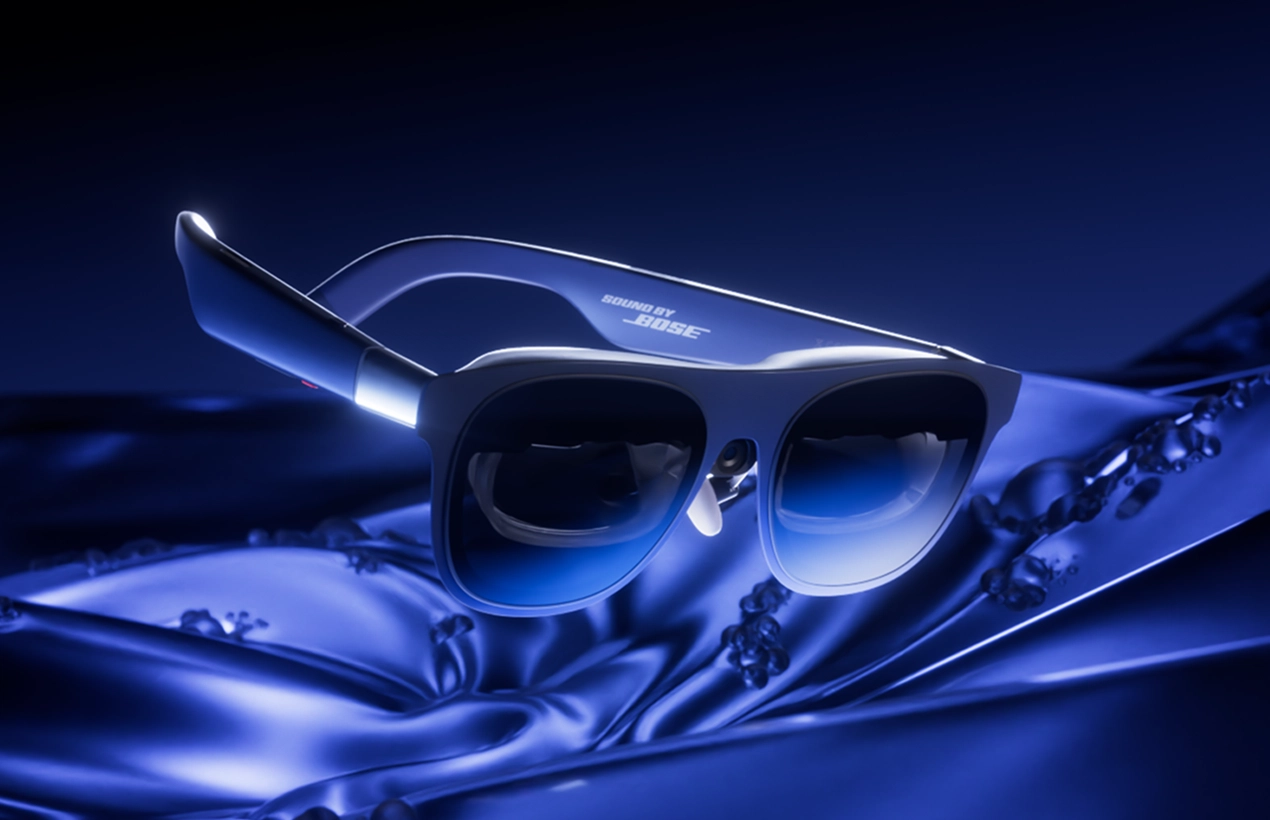
Best Use Case: The definitive choice for frequent flyers and Steam Deck / ROG Ally handheld gamers wanting a crisp 120-Hz virtual Micro-OLED cinema footprint.
Explore XREAL 1S on Amazon →2. VITURE Luma Pro XR

Best Use Case: Tailored specifically for text readability and office productivity. It features precise built-in mechanical diopter adjusters to bypass prescription lens inserts.
View VITURE Luma Pro on Amazon →3. RayNeo Air XR
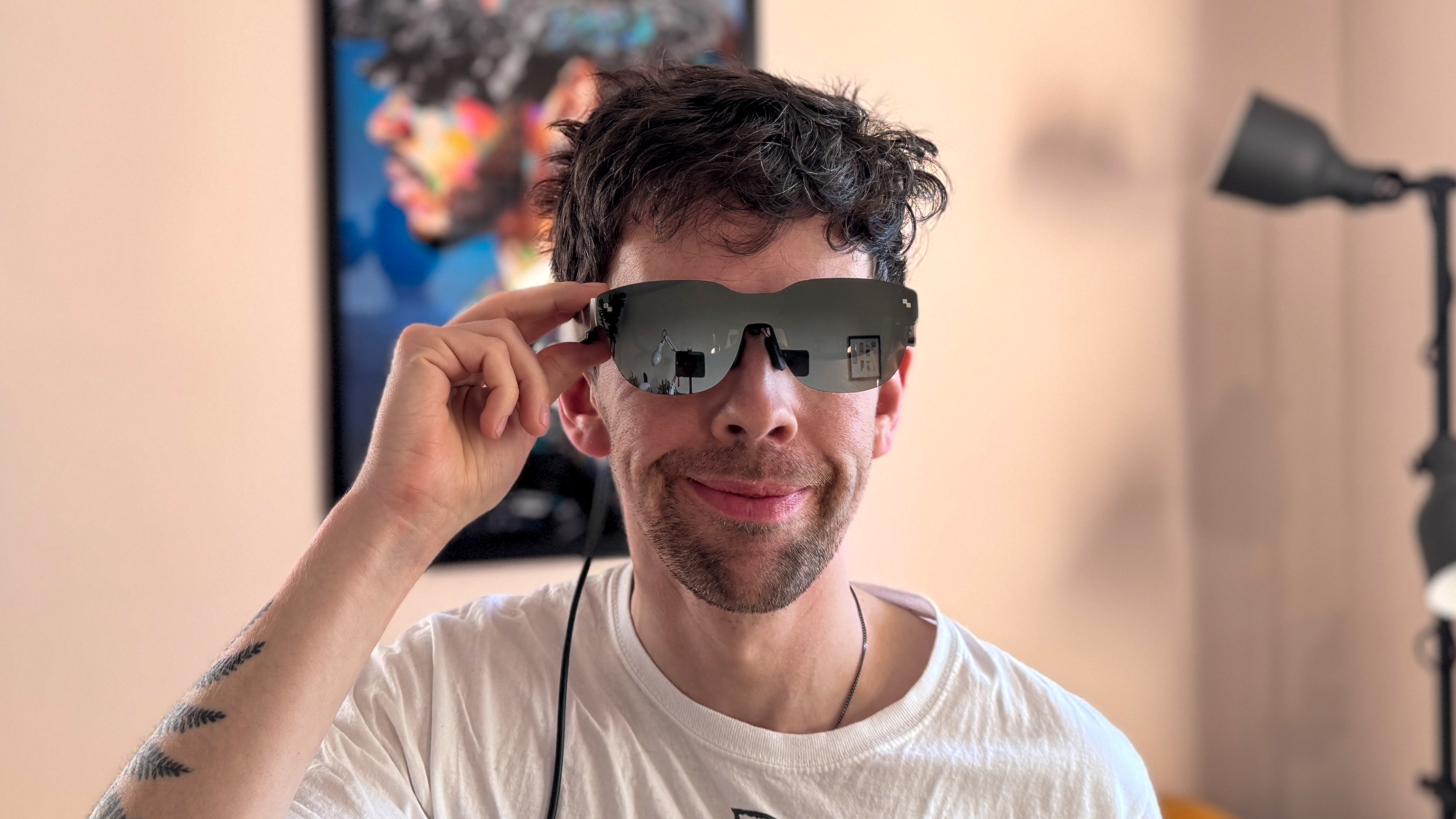
Best Use Case: Ideal as an affordable, introductory secondary display option for basic mobile screen mirroring without heavy price premiums.
View RayNeo Air on Amazon →4. TOZO VIZO V1 AR Glasses

Best Use Case: Optimized for brightly lit rooms, packing a high peak nit-brightness structure that limits washout effects when working outdoors or next to windows.
View TOZO VIZO V1 on Amazon →Is the Meta Quest 3 better than AR glasses for gaming?
(Immersive, Powerful, Standalone Tracking Option)
Meta Quest 3

The Verdict: Yes, if you want full room-scale interaction. The Meta Quest 3 features full inside-out hand tracking, advanced Snapdragon processing, and high-fidelity color passthrough mixed-reality environments. It operates completely independent of external computer tethers, making it superior for spatial movement but too heavy for casual passive travel viewing.
Explore Meta Quest 3 on Amazon →How to Choose: A Quick Decision Shortcut
- Choose AR Glasses if your daily routine involves flights, movies, or expanding a laptop monitor privately.
- Choose an XR Headset if your goal is immersive VR gaming, standalone room movement, or interactive fitness software.
- Select the XREAL 1S or VITURE Luma Pro for lowest facial fatigue and instant setup.
- Select the Meta Quest 3 for complete spatial freedom and environment replacement.
Smart buying guides don't prioritize purchasing the absolute highest power spec block. Buy the architecture that flows seamlessly with how you live.


COMMENTS